

On Saturday, November 29 at 4:00 p.m., a screening of “A Nikkei Canadian Story” was held at NTT Cred Hall No.2, followed by a talk session with Director Alice Il Shin and Producer Eiko Kawabe Brown. The session was moderated by Atsuko Morimune from the Hiroshima City Cinematographic and Audio-Visual Library. The film is a shortened version of the memoir of Henry Ryusuke Shibata, who lived a tumultuous life marked by discrimination in Canada, internment during the war, and his return to Hiroshima after the atomic bombing.
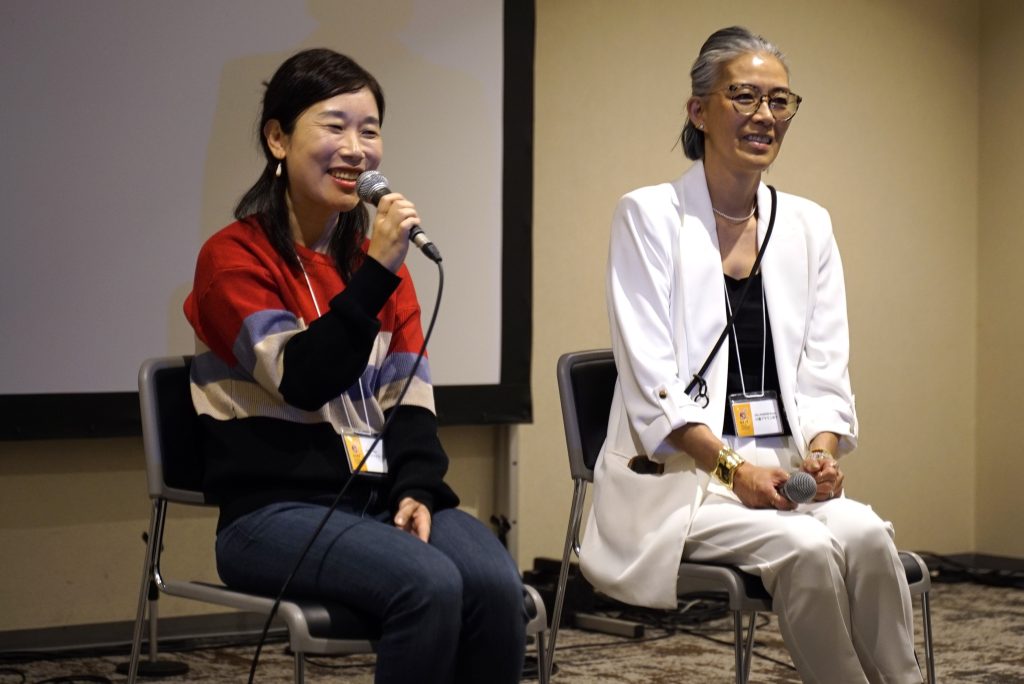
At the beginning, Director Shin said, “This is my first time taking a Q & A in Japanese, so I’m nervous,” adding that although it was her second visit to Hiroshima this year, it was her first time having her film screened here. Producer Kawabe, who is originally from Iwakuni in Yamaguchi Prefecture, revealed, “The photos of the atomic bombing shown in peace education when I was a child were traumatic, so I had never been able to come to Hiroshima until now.”
Their encounter with Henry began when Director Shin became interested in stories of the Japanese Canadian internment after hearing about them from an acquaintance. She then posted on Facebook seeking survivors willing to speak. “Several people came forward in addition to Henry, perhaps because I am neither Japanese nor Canadian, but Korean,” she explained.
Speaking about the challenges during production, Producer Kawabe cited the impact of COVID-19, saying, “Because of it, the film ended up taking five years to complete—it was really difficult.” She added, “It was the first documentary for both of us. We had to figure out our methodology from scratch, going through trial and error.” Gathering archival materials—old photos and video footage—was also a major task. With the help of a dedicated archivist and the Hiroshima Peace Memorial Museum, they managed to collect what they needed.
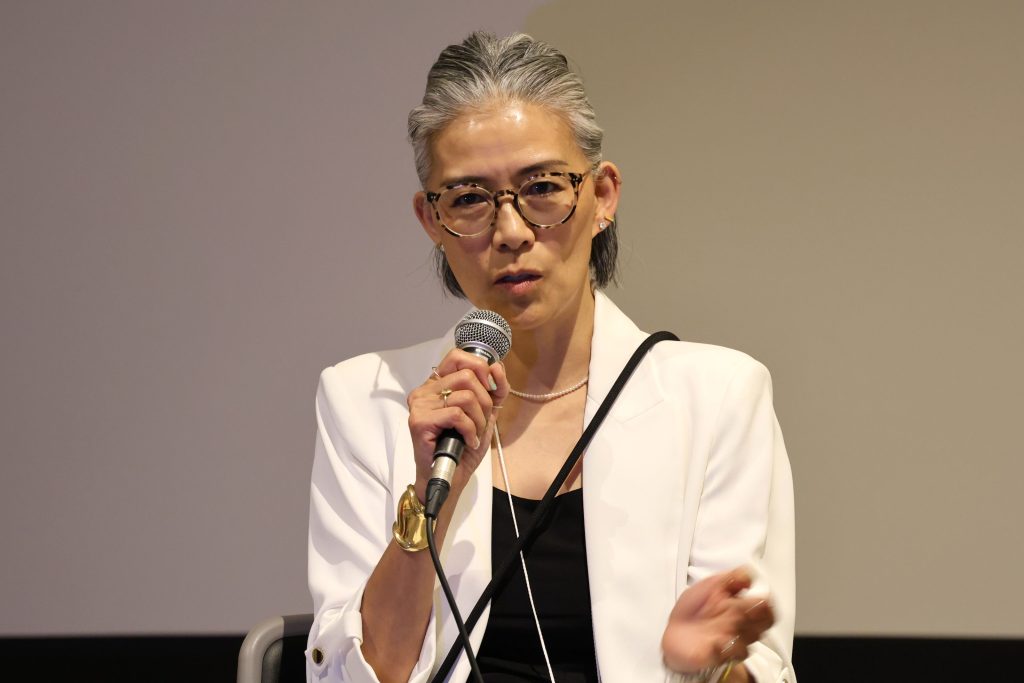
When asked whether Canadians today are aware of the Japanese Canadian internment, Producer Kawabe responded, “Some high school classes teach it, but it depends on the teacher—so we can’t say that everyone knows about it.”
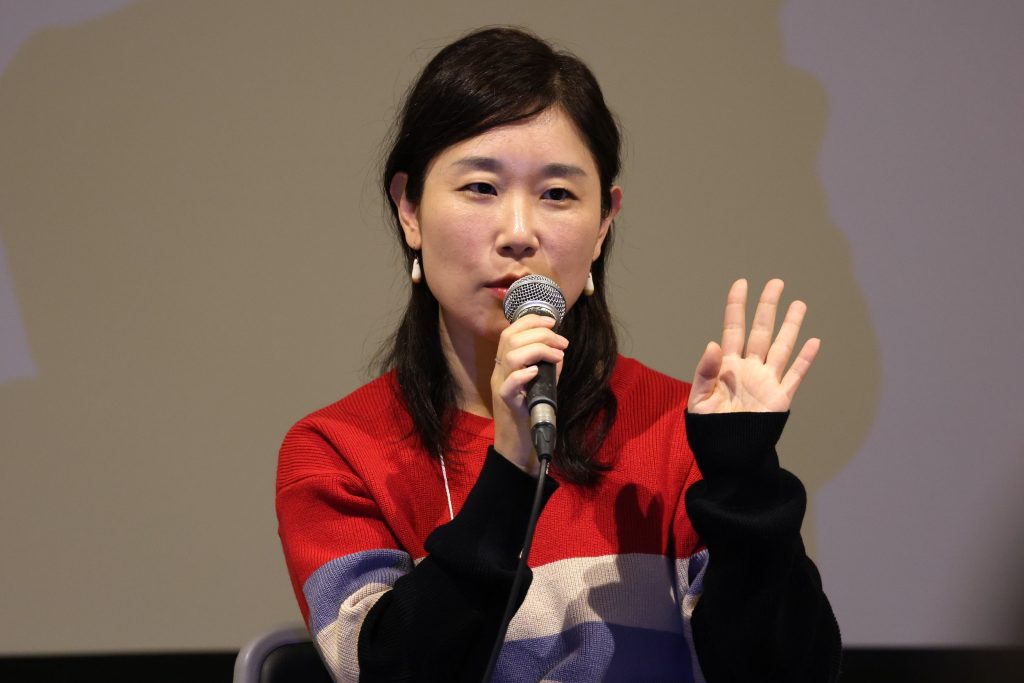
In closing, when asked about their future plans, Director Shin said she hopes to “explore immigration and refugees in greater depth,” while Producer Kawabe shared her wish: “I want many children to watch this film and think about its message.” With these words, the session came to an end.