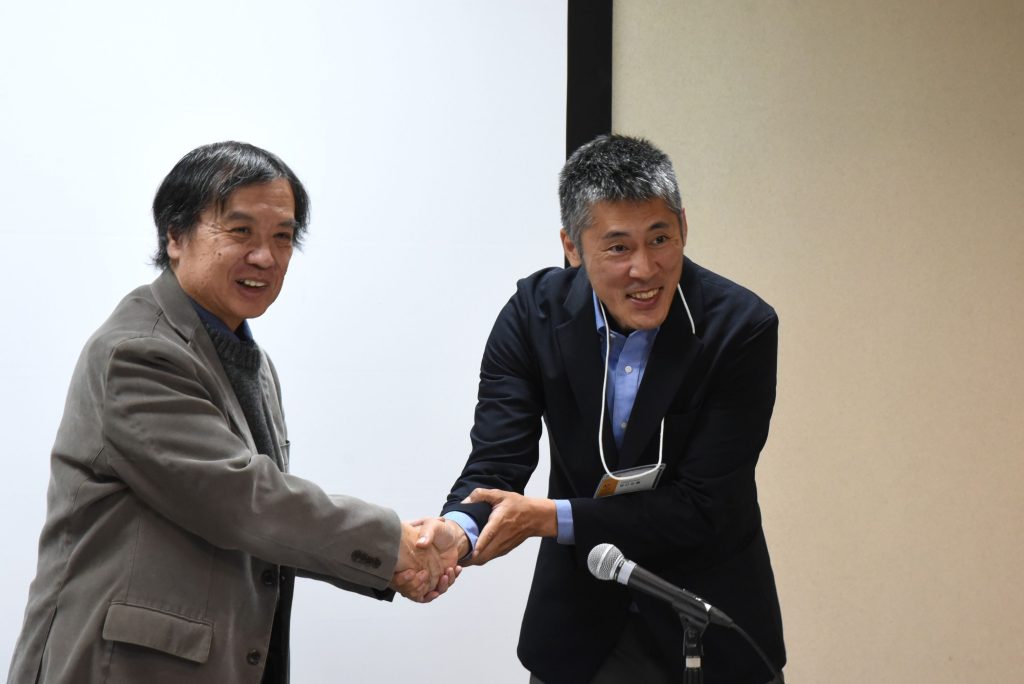

On Friday, November 28th, starting at 3:00 PM, a talk session featuring directors Sunao Katabuchi and Hiroki Taniguchi was held at NTT Credo Hall, No. 2. The moderator was Ms. Tomoko Nishizaki from the Hiroshima Film Commission.
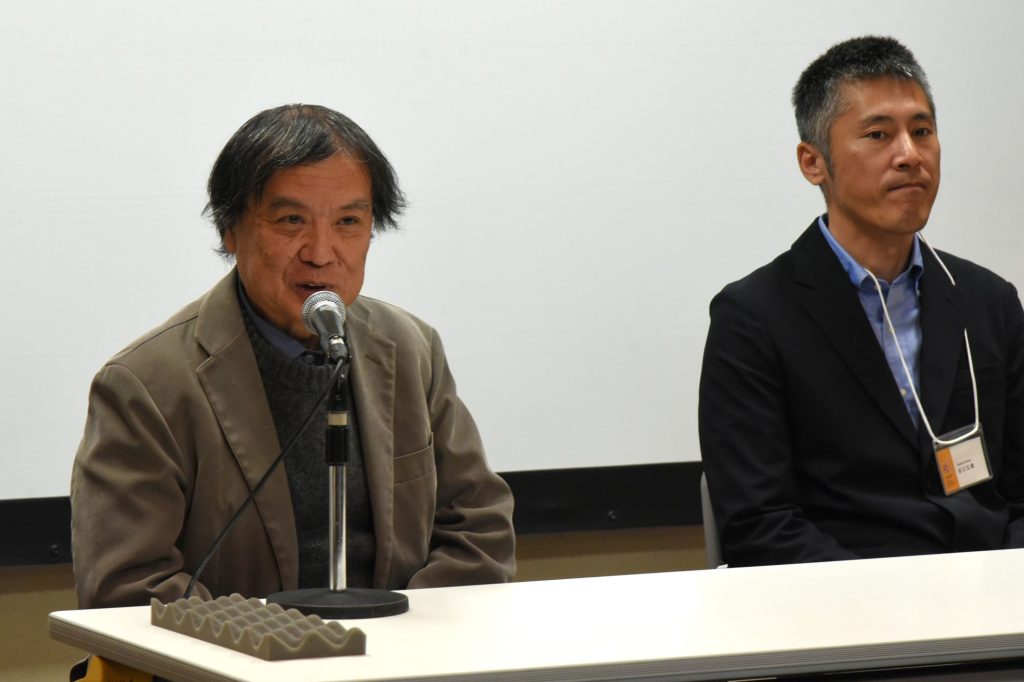
This event came about through Director Taniguchi’s passionate appeal. He had apparently prepared many questions beforehand. At the outset, Director Katabuchi playfully warned, “I’m nervous about what I’ll be asked,” to which Director Taniguchi immediately responded with a question: “During filming for ‘The God’s Island,’ which is screening at this festival, we struggled to recreate wartime scenes. I wanted to ask how it was for ‘In This Corner of the World.’”
Questions about reference materials:
“A small amount of military documents seized by the U.S. were returned, digitized, and made accessible to anyone. Diaries from unknown civilians were also very useful,” he explained.
Questions about Japanese body types:
“The way people walk now and back then actually hasn’t changed much.” “During the war, women were plump even though there was little to eat. This was because the only food available was carbohydrates, which made them gain weight.” “When malnourished, hair stops growing and falls out,” he stated, refuting common depictions of war.
Then Director Katabuchi’s question:
“It’s said that 80 years after the war, fewer people speak of wartime memories. But isn’t that neglecting past testimonies?” “Actually, personal diaries written at the time are the most real and credible.” “Perhaps the truly necessary records lie not in memories of major events, but in the mundane daily life that no one pays attention to.”
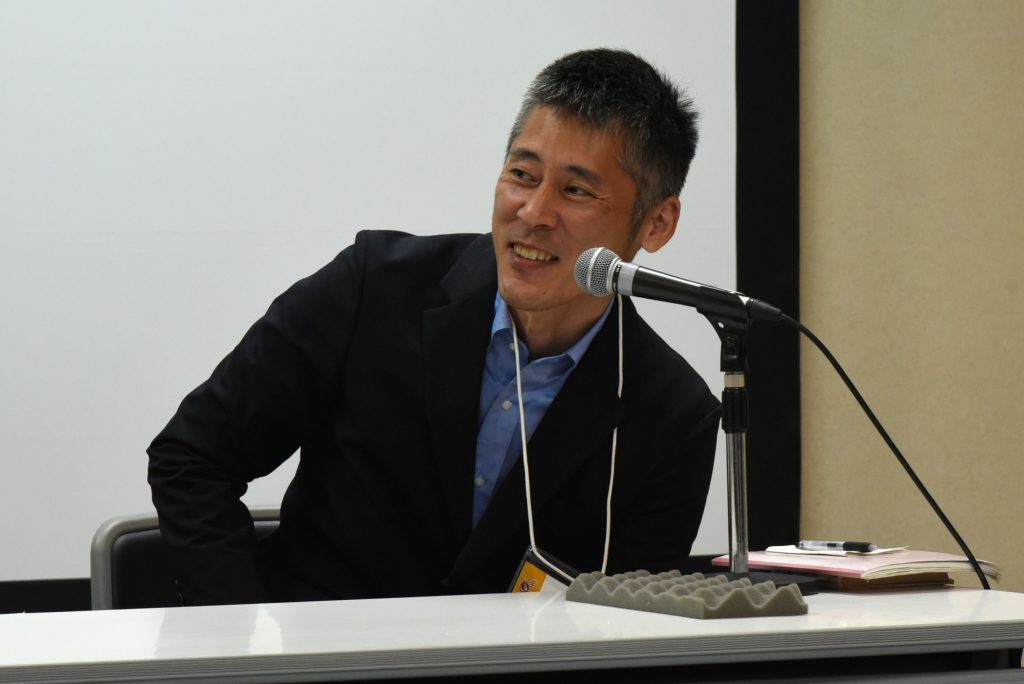
Finally, when asked about the role of film, Director Katabuchi concluded, “To leave the war in tangible form for future generations.” “We should not just focus on Japan, but also hold perspectives from other countries.”