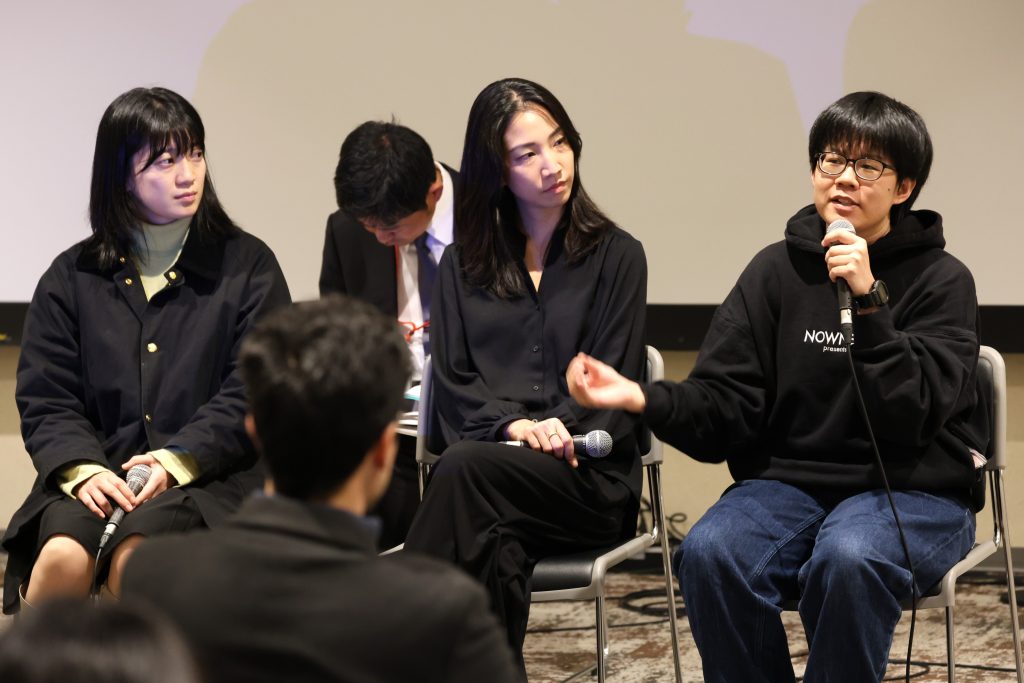

On Saturday, November 29, at 7:10 p.m., International Short Film Competition B was held in Venue 2 of the NTT CRED Hall. Three nominated films were screened—”The Lion Doesn’t Cry” by Han Won-young, “SUO JIANG” by Chien-Yu Lin, and “WAShhh” by Mickey LAI—followed by a talk session with the directors. This competition determines the winners of the Hiroshima Grand Prix, the Special Jury Prize, and the Audience Award.
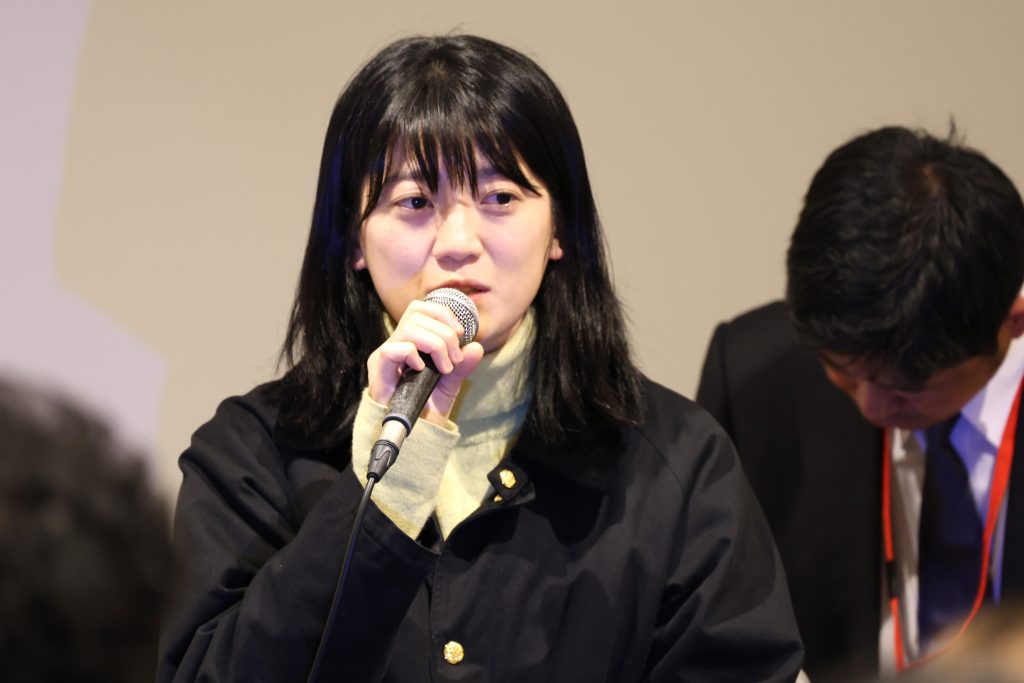
Han Won-young’s “The Lion Doesn’t Cry” portrays a family displaced by a devastating wildfire as they attempt to adapt to a new life in unfamiliar surroundings. The director shared that she “placed particular emphasis on depicting the nuances of family relationships,” noting that the way family is represented is central to the film’s overall message. Asked how she would approach the project if it were to be expanded into a feature-length film, she said she would like to increase the number of family members and delve more deeply into the emotional pain endured by disaster survivors. The film reflects the director’s signature interest in stories that closely follow the everyday lives of ordinary people.
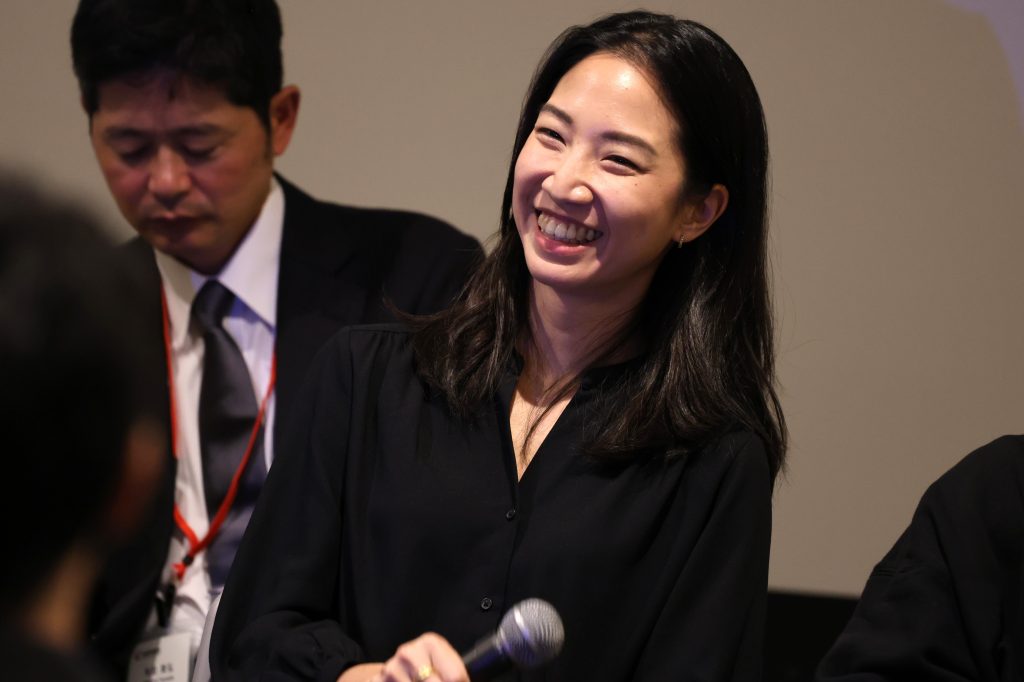
Chien-Yu Lin’s “SUO JIANG” depicts a skilled locksmith who, prompted by romantic turmoil, begins to step into an entirely new phase of life. The director emphasized the importance of pausing to reconsider foundational questions—“Why am I here?” “Why did I make this choice?”—in today’s fast-paced world. These questions sit at the heart of the film and inform the story’s thematic direction.
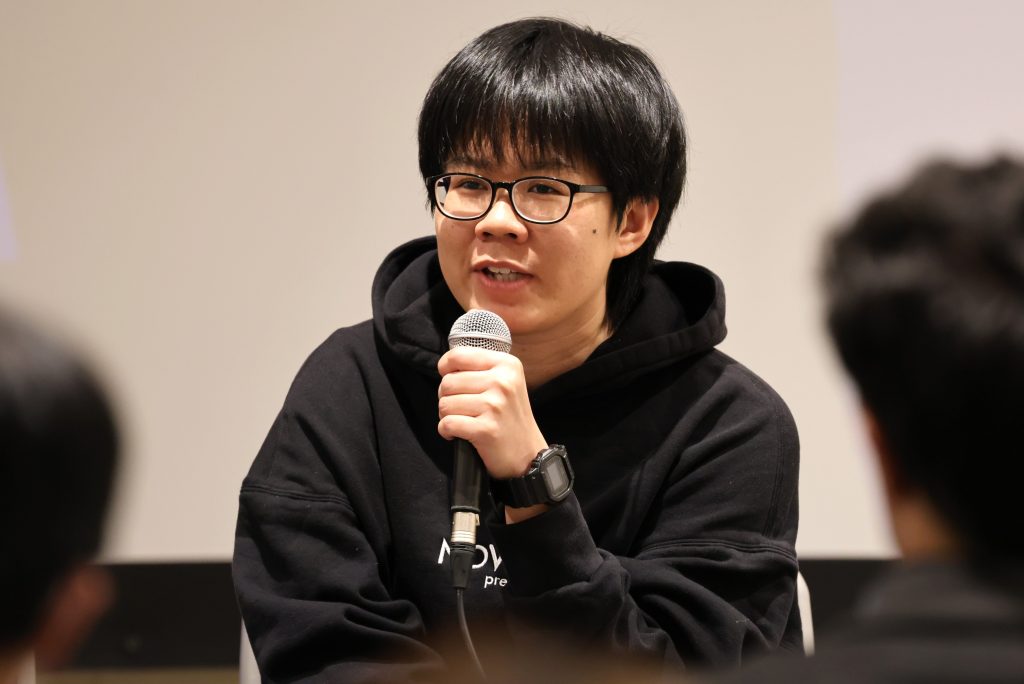
Mickey LAI’s “WAShhh” follows a group of teenage girls assigned to cleaning duty at a training camp in Malaysia, capturing how the experience unsettles their interpersonal dynamics. The story is based on the director’s own teenage years. In addition to contrasting teenagers who have values imposed upon them with the adults who impose those values, the film also portrays the shift from a time when young people felt they had no choice but to obey to a point in which resistance has become possible.
Competition B showcased many thought-provoking works, and several audience members remarked afterward that the films were “challenging.” Even so, many stayed late into the evening, listening attentively as the directors spoke about their intentions and the backgrounds behind their films.